
Sourcing Egyptian Potatoes for European Retail Programs
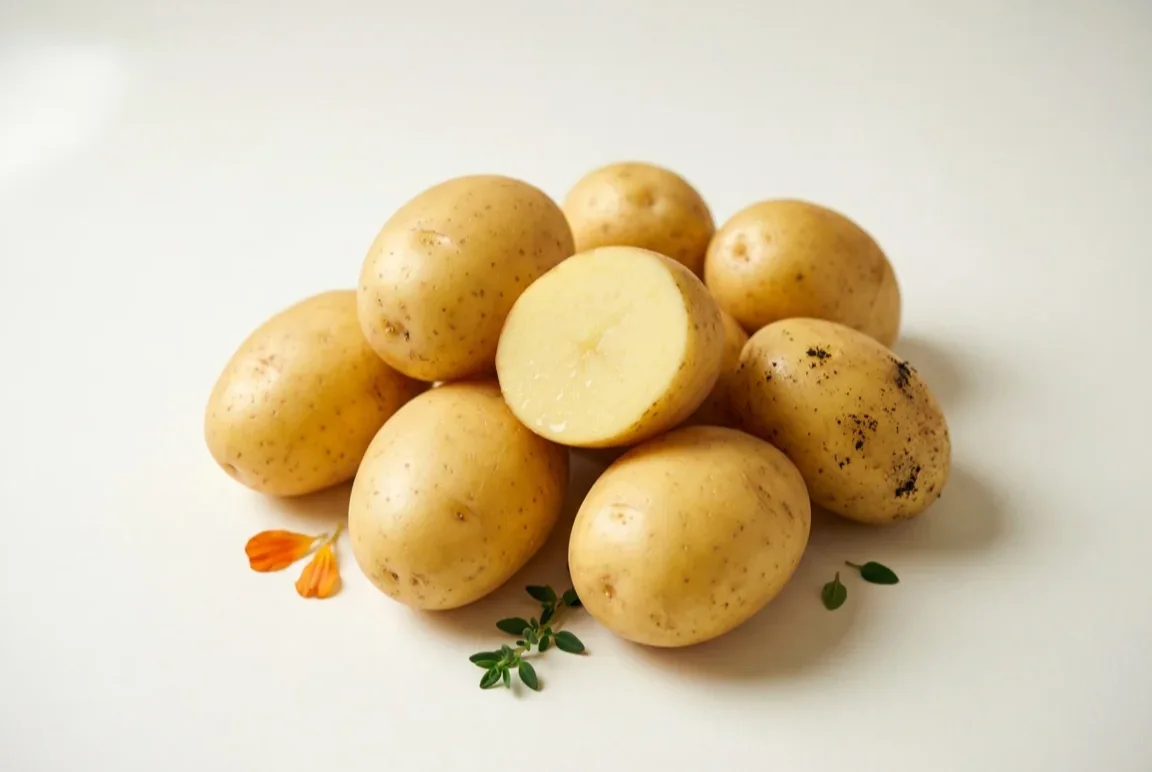
Egypt is regularly among the world's top five potato exporters. The country runs two harvests per calendar year — spring (February to June) and autumn (September to December) — which makes it a useful source for EU buyers during the windows when Northern European stock is either not yet available or already spent in cold store.
Varieties That Matter for EU Retail
The dominant export variety is **Spunta**: yellow-fleshed, long oval, thin skin, consistently clean appearance. It performs well in retail mesh bags and consumer cartons. Familiar to European consumers, sizes reliably in the 45–75 mm range, handles transit conditions well.
**Diamant** is the preferred variety for chipping and processing buyers. **Lady Rosetta** and **Hermes** are grown specifically for crisp manufacturers — these are not retail varieties.
For fresh retail programs, Spunta remains the default. Specifying any other variety usually means either you are sourcing for processing or you are following a buyer's instruction; for everything else, Spunta is the answer.
Sizing and Grading
EU supermarket programs typically specify 45–75 mm or 50–75 mm diameter. Oversized stock moves through wholesale and catering channels. Grade tolerances for skin blemishes, green patches, and soil are tighter for branded retail than for wholesaler programs. Confirm acceptable defect levels in writing before placing the first order — a verbal "we are flexible on grade" from an importer becomes a claim a few weeks later.
Documentation
Every EU-destined potato shipment needs a phytosanitary certificate and certificate of origin at minimum. Buyers operating under EU tariff preferences should request an EUR.1 movement certificate. Fumigation certificates are required for some destination countries — check with your importer of record before confirming the documentation pack.
Watching the Season
The spring crop begins shipping in February from Upper Egypt and runs through June. Quality is generally most consistent between March and May. Late-season heat in May and June accelerates field maturation and can produce hollow heart defects; experienced buyers specify harvest timing windows in the contract.
The autumn crop (September to December) is smaller in volume but often shows better skin finish thanks to cooler conditions.
If you are building a year-round potato program, schedule orders across both harvests and agree cold-store bridging for any gaps. Egypt's autumn crop does not bridge easily into the spring crop — there is usually a four to six week gap in good-quality fresh supply that has to be covered by stored stock or alternative origins.
Interested in sourcing Egyptian produce for your program?
Related articles
EU MRL Compliance for Egyptian Fresh Produce: A Practical Guide
Egyptian shipments rejected at EU ports almost always trace back to one of three pesticide residues. Here's what to test for, why border rejections happen, and how to keep retail programs alive.
Read article →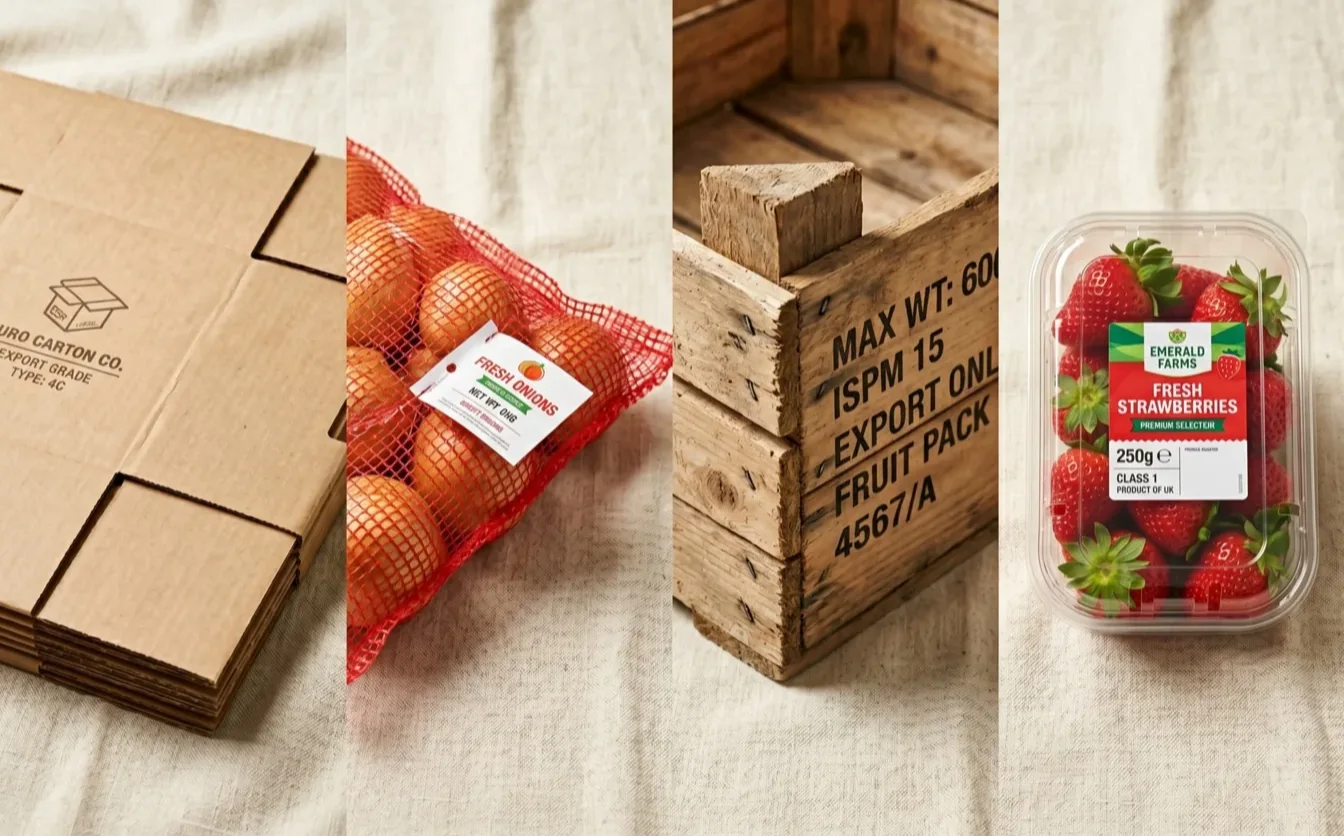
Fresh Produce Export Packaging: Carton, Mesh, Bin, or Punnet?
The right packaging format saves freight cost, protects shelf life, and meets retailer specifications. The wrong one creates claims. Here's how to pick — by product, by destination, by program type.
Read article →