
GLOBALG.A.P. Certification: What It Actually Means for Your Supply Program
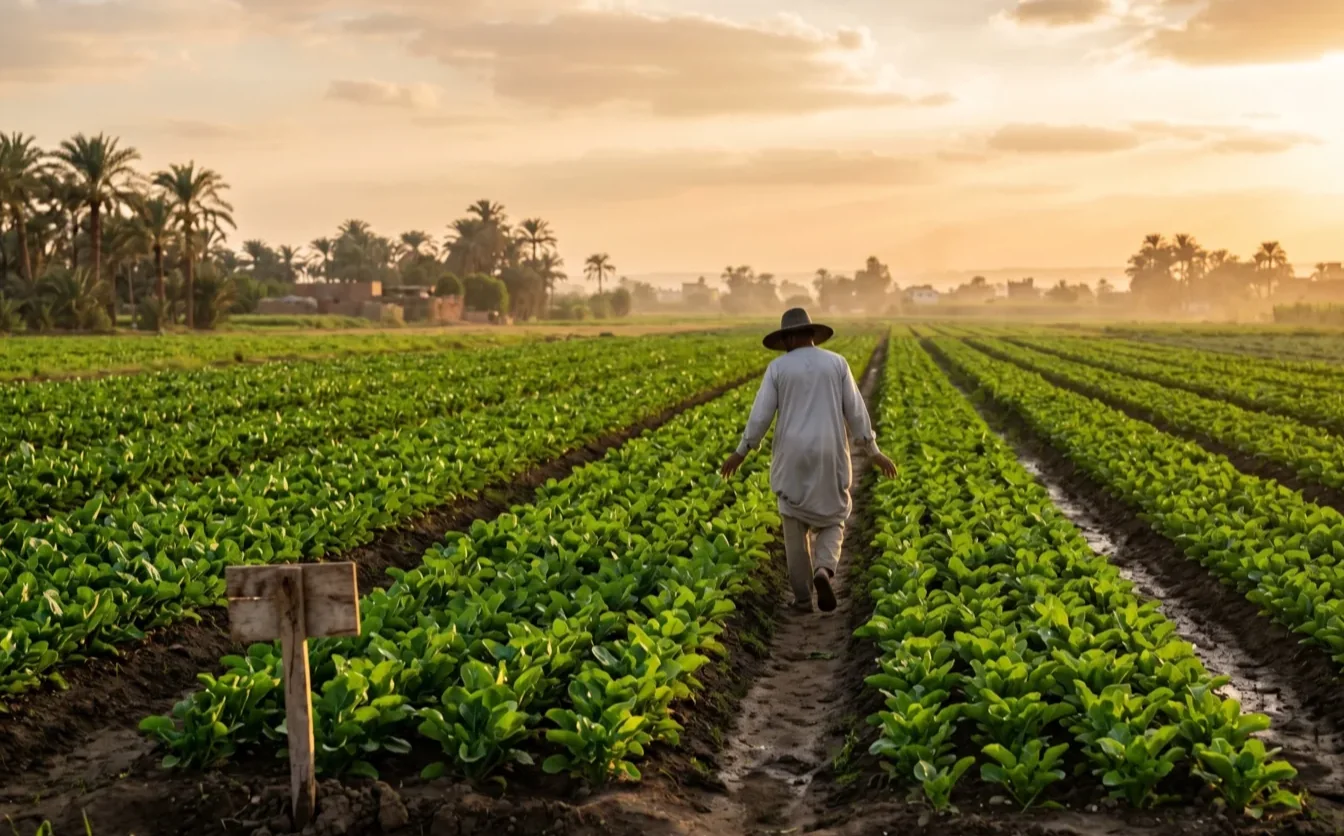
GLOBALG.A.P. (Good Agricultural Practices) is a private-sector food safety and traceability standard widely adopted in fresh produce supply chains. It is the most frequently specified farm certification in EU retail contracts, and it is one of the most misunderstood.
What It Covers
GLOBALG.A.P. certification covers the farm and pack-house level. The audit specifically assesses crop protection management (which pesticides are used, in what quantities, and how the use is documented), food safety risk assessment, worker welfare, environmental impact, and traceability to field level.
A certified farm can trace each lot of produce back to the specific field block where it was grown. This is the GGN (GLOBALG.A.P. Number) that retailers increasingly print on retail packs, sometimes alongside a QR code that links to farm-level information.
What It Does Not Cover
GLOBALG.A.P. certification does not guarantee that a specific shipment is free of pesticide residues above MRL limits. It certifies that the farm has systems in place to manage pesticide use; it does not test every lot.
Buyers who require residue-free guarantees need to add pre-shipment lab testing to their requirements rather than rely on GLOBALG.A.P. alone. A GGN-certified farm with bad spray management still produces non-compliant fruit; a non-certified farm with disciplined spray records can produce compliant fruit. Certification correlates with compliance, but does not equal it.
Versions and Scope
GLOBALG.A.P. releases new standard versions periodically. As of 2025, Version 6 is current. Buyers should confirm three things on every certificate:
- Which version the supplier is certified to
- Which crop group the certificate covers (one farm certified for citrus does not cover grapes)
- Whether the certificate is for individual farm certification (Option 1) or group certification (Option 2)
Option 2 is common among small Egyptian farmers organised under a producer group. It is a legitimate certification path, but it relies on internal QMS within the group rather than per-farm audit, so the group's internal control system matters as much as the audit itself.
How to Check Validity
All valid GLOBALG.A.P. certificates can be checked on the GLOBALG.A.P. database (globalgap.org) using the producer's GGN or the certificate number. Check this yourself before shipping. Certificates expire annually and must be renewed after a re-audit; an expired certificate is treated as no certificate by retailer auditors, regardless of how recently it lapsed.
Interested in sourcing Egyptian produce for your program?
Related articles
EU MRL Compliance for Egyptian Fresh Produce: A Practical Guide
Egyptian shipments rejected at EU ports almost always trace back to one of three pesticide residues. Here's what to test for, why border rejections happen, and how to keep retail programs alive.
Read article →
Sourcing Egyptian Potatoes for European Retail Programs
Egypt produces over six million tonnes of potatoes a year. Not all of it is retail-ready. Here's what buyers sourcing for EU supermarkets need to know about varieties, sizing, and timing.
Read article →