
What Dutch Importers Expect from Egyptian Citrus Suppliers
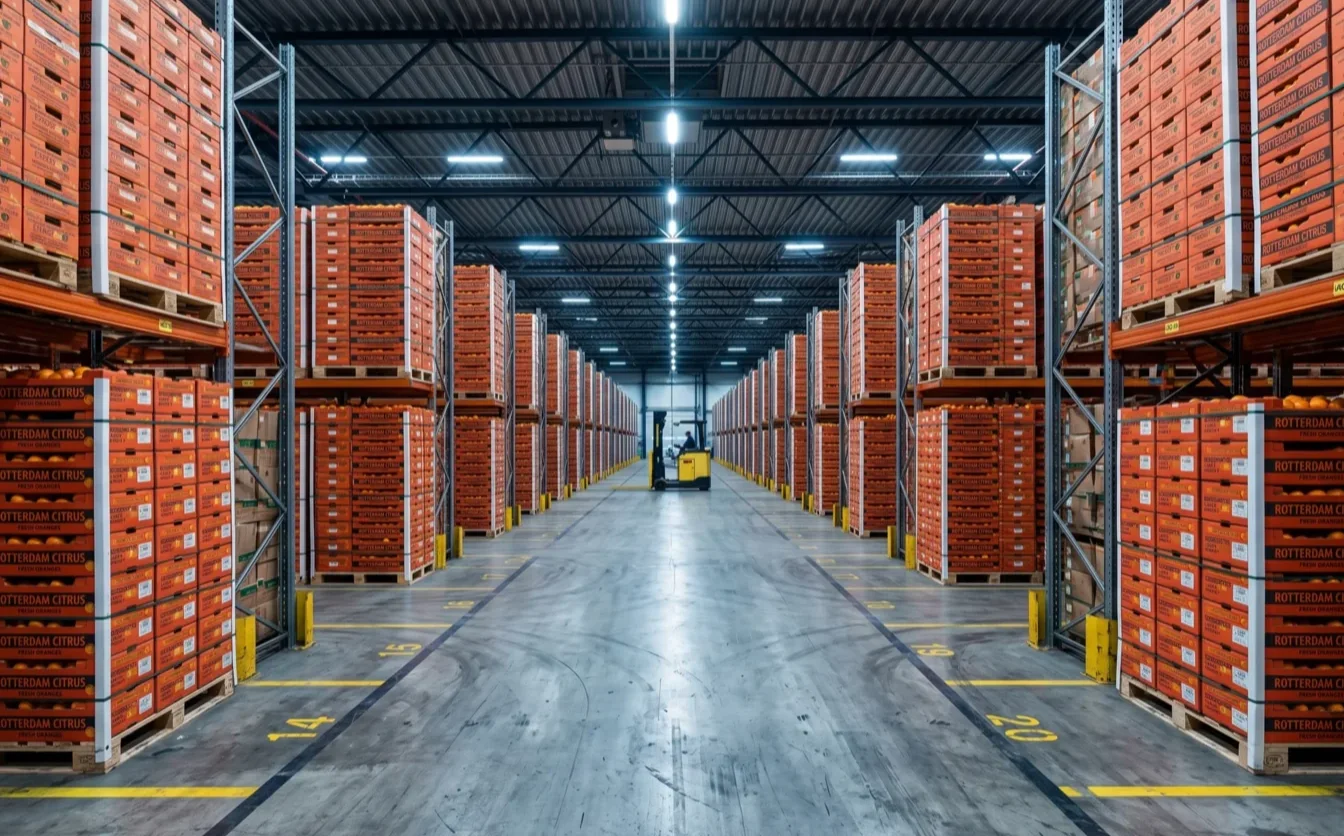
The Netherlands is the largest single destination for Egyptian citrus in the EU, processing a significant share of Egyptian orange, lemon, and mandarin volumes through Rotterdam's distribution infrastructure. Dutch importers are experienced, price-aware, and demanding. That is not a criticism. It makes them a useful benchmark for export quality.
Consistency Beats Peak Quality
The most common complaint Dutch importers raise about Egyptian suppliers is not low quality. It is inconsistency. A supplier who delivers excellent product in week one but variable product in weeks three and four creates problems downstream: retailers notice, and the importer takes the blame. Programs are built on predictability, not heroics.
Before committing to a Dutch retail program, be honest about whether your supply base can sustain consistent calibration and defect tolerance across 8 to 12 shipments. If you can only guarantee it for 3 to 4, say so and scope the program accordingly. Importers respect upfront honesty more than over-promising followed by quiet disappointment.
Calibration Requirements
Most Dutch retail buyers want navel oranges in count sizes 48, 56, or 72. Mixed-size shipments or poorly calibrated packs create waste at the retailer because they do not fit display systems cleanly. Packing lines that run manual calibration rather than electronic sizing struggle here — small variations compound across thousands of cartons.
For lemons, count sizes 48 to 80 are standard for retail. Anything below count 80 tends to be directed to food service and wholesale.
Phytosanitary Compliance
The Netherlands is a strict entry point for phytosanitary compliance. False spider mite, citrus leafminer, and black spot are the most commonly intercepted issues on Egyptian citrus. Work with suppliers who have documented crop-protection programmes and are willing to share field records, not just post-harvest certificates.
A single black spot interception on one container can trigger increased inspection rates on subsequent containers from the same exporter and origin. The downstream cost compounds quickly.
What Builds Long-Term Programs
Dutch importers reward suppliers who communicate proactively. If a weather event affects your expected harvest timing, call them before they call you. If calibration from a specific farm is running large this week, flag it before the container loads.
The margin for error at Rotterdam is lower than at most other European ports. The volume reward for reliable suppliers is substantial. Suppliers who treat Dutch importers as long-term partners — communicating openly, escalating issues early, taking responsibility for problems on the supplier side — keep programs for years. Suppliers who treat each shipment as a transaction tend to lose programs after the first season of variability.
Interested in sourcing Egyptian produce for your program?
Related articles
EU MRL Compliance for Egyptian Fresh Produce: A Practical Guide
Egyptian shipments rejected at EU ports almost always trace back to one of three pesticide residues. Here's what to test for, why border rejections happen, and how to keep retail programs alive.
Read article →
Sourcing Egyptian Potatoes for European Retail Programs
Egypt produces over six million tonnes of potatoes a year. Not all of it is retail-ready. Here's what buyers sourcing for EU supermarkets need to know about varieties, sizing, and timing.
Read article →